Your eyes are everything on a job site. Debris, dust, sparks, and flying fasteners don't wait for you to look away. One bad ricochet off a nail gun or grinder and you're done for the day — or worse, for good.
We looked at what actually holds up for construction crews instead of what looks good sitting in a hardware store rack.
What matters most
Anti-fog coating is non-negotiable. You cannot work if you cannot see, and nothing kills productivity faster than pulling your glasses off every five minutes to wipe them down. Look for glasses that specifically call out an anti-fog coating (not just "scratch resistant" — those are different things) and, if you can, one rated for high-humidity or heavy-exertion conditions rather than a basic coating that fails the second you break a sweat.
Good fit matters just as much. Glasses that slide down your nose are worse than useless — they're a distraction that makes you push them back up with a dirty glove, right when you should be watching what your hands are doing. Look for adjustable temple arms, rubberized nose pads, and a wraparound profile that stays put when you're bent over or looking up.
ANSI Z87.1 rating. This is the baseline safety standard for U.S. work eyewear — it means the lenses have passed impact testing. Any glasses worth buying for jobsite use should have "Z87" or "Z87+" stamped on the frame. The "+" designation means it passed high-velocity impact testing, which matters more if you're around grinding, cutting, or nail guns.
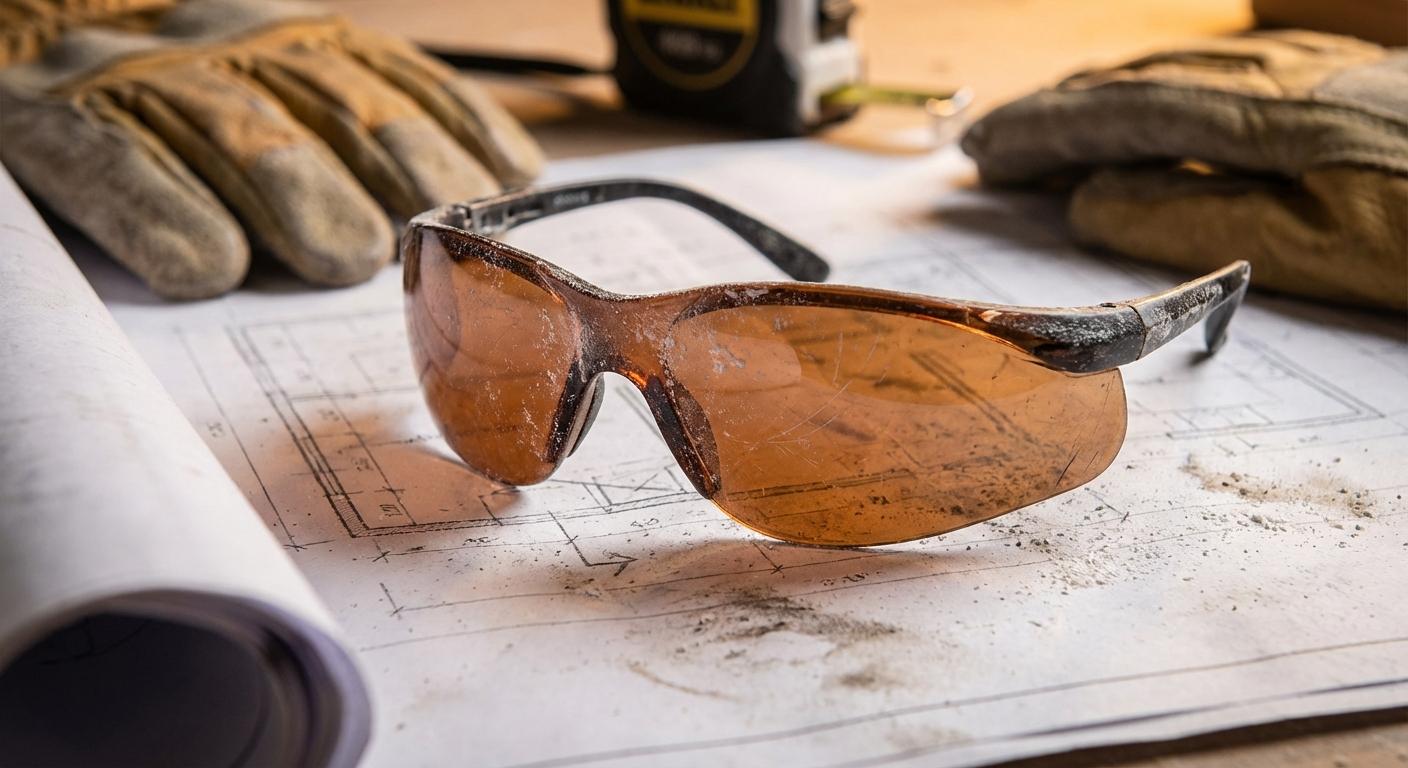
Lens tint for the job, not just for looks. Clear lenses for indoor or overcast work, gray/smoke tint for bright outdoor sun, and amber or yellow tint if you want extra contrast in low light or overcast conditions. Some crews keep two pairs in the truck for exactly this reason.
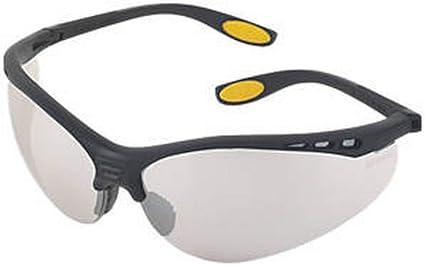
DEWALT DPG58-1C Protective Safety Glasses
Impact-resistant polycarbonate lens, rubber non-slip nosepiece and temple pads, and full ANSI Z87.1+ certification. Amazon's Choice with over 3,000 ratings.
Under $10
View on AmazonThese are what most crews use. Tough and cheap enough to replace when you scratch them, which — let's be honest — happens fast in this line of work. Keep two or three pairs on hand so a scratched lens doesn't mean stopping work to find a new pair.
For overhead work
If you're doing electrical or HVAC work, ceiling work, or anything where debris falls from above, you need a different fit than standard demo-site glasses.
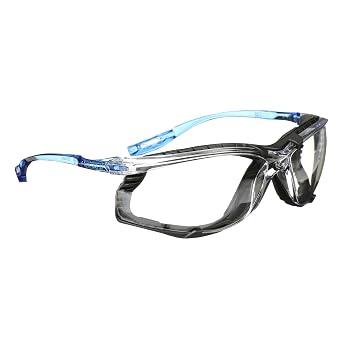
3M Virtua CCS Protective Eyewear
Wraparound style with a removable foam gasket that keeps debris and dust from getting in from the sides. Anti-fog clear lens, ANSI Z87 rated, and nearly 12,500 ratings on Amazon.
Under $10
View on AmazonThe foam gasket seals out fine dust and insulation fibers — a genuine game changer for ceiling and attic work where standard glasses let debris in from the top and sides. If you're pulling wire through drop ceilings or working around blown-in insulation, this seal is the difference between a normal day and an eye-flushing trip to the bathroom.
Care and replacement
Cheap microfiber cloths and dish soap (not household glass cleaner, which can degrade anti-fog and anti-scratch coatings over time) will get you the most life out of a pair. Store them in a hard case in your bag or truck rather than tossed loose, where they'll pick up scratches from tools and hardware.
Replace glasses immediately if the lens is pitted, scratched across your line of sight, or the frame is cracked — a compromised lens won't stop debris the way an intact one will, even if it still "looks fine" from a few feet away.
Bottom line
Do not cheap out. Your vision is worth more than saving five bucks, and the cost of a good pair of safety glasses is nothing compared to a single ER visit for a metal shaving in your cornea. Keep a spare pair in your bag — you will lose or scratch the first one eventually.