Non-contact voltage testers get dropped, stepped on, and left in a work truck through every season — durability matters as much as accuracy. The Fluke 1AC-II is the stronger pick for critical work, but Klein's NCVT-3P has genuine advantages if you're doing mixed voltage jobs. Here's how they compare.
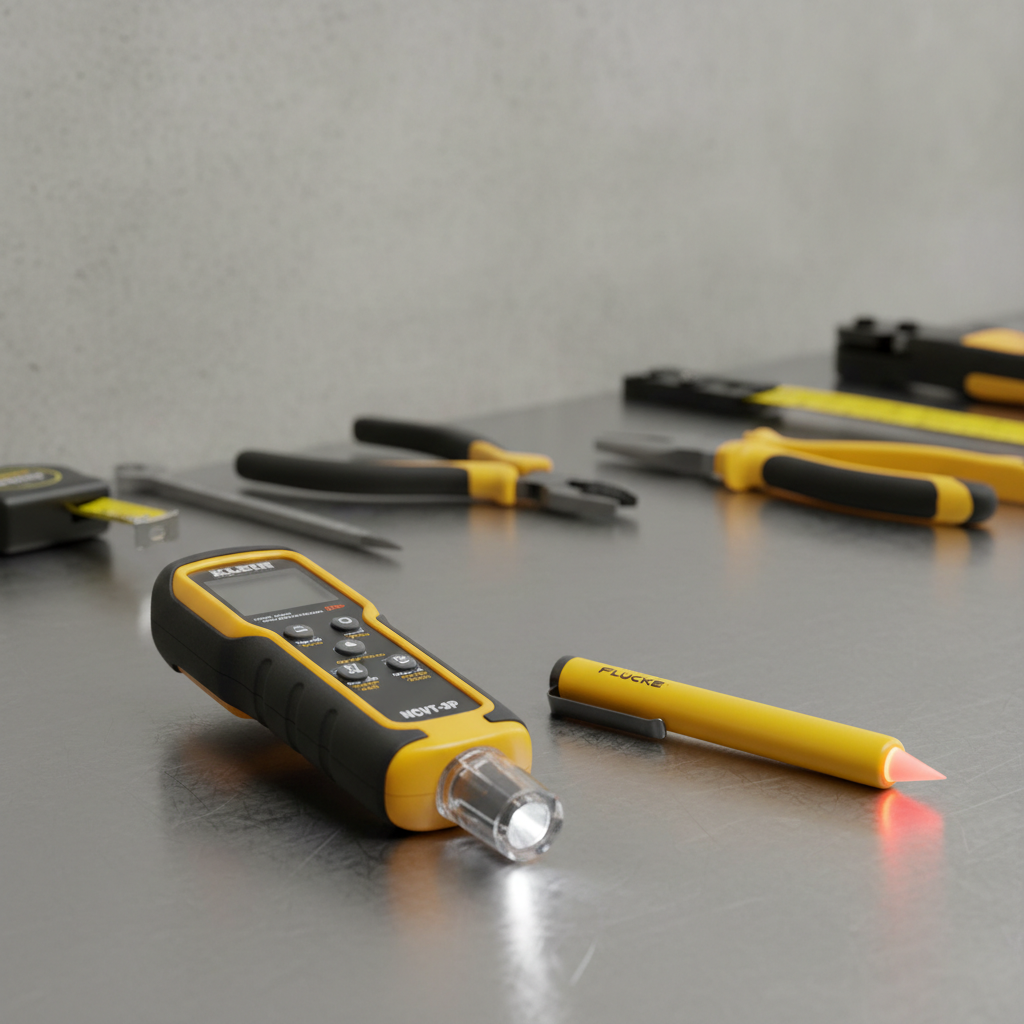
Fluke 1AC-II ($27.49)
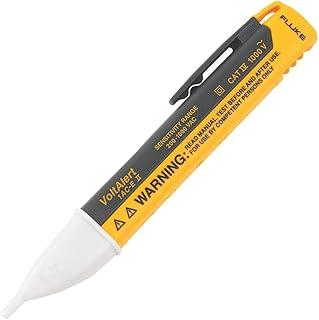
1AC II VoltAlert Non-Contact Voltage Tester, Pocket-Sized, 90-1000V AC, Audible Beeper, CAT IV Rating
Industry standard for reliability and accuracy in professional settings
$27.49
View on AmazonThe thin probe tip is pure gold for crowded panels – it'll slip between wires where Klein's bulkier head just can't reach. Self-test on startup means you're never wondering if it's dead or just quiet. Owners report units surviving years of cold-van storage without issue.
The Bad: That slim design comes with tradeoffs. The pocket clip is a common failure point in owner reviews. The battery door feels cheap compared to the rest of the unit. No low-voltage detection means you'll need a second tool for control circuits.
Klein NCVT-3P ($29.97)
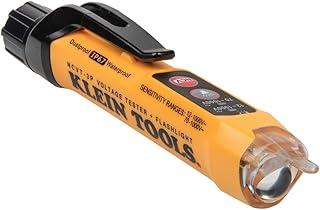
NCVT3P Dual Range Non Contact Voltage Tester, 12 - 1000V AC Pen, Flashlight, Audible and Flashing LED Alarms, Pocket Clip
Dual range detection and integrated flashlight make it ideal for professional electricians
$29.97
View on AmazonDual range detection (12-1000V) makes this your Swiss Army knife. The built-in flashlight is a genuinely useful extra in dark attics. Bright LEDs visible even in direct sunlight, and the beeper's loud enough to hear through ear protection.
The Bad: False positives on induced voltage are a real problem, especially around fluorescent ballasts. The battery compartment seal is a joke – one rainy service call and you're shopping for another tester.
Real World Performance
Accuracy & Reliability:
- Fluke: Near-zero false positives, consistent in all conditions
- Klein: More sensitive to interference, but catches low voltage others miss
Durability (per manufacturer and owner reports):
- Fluke: Rated to survive drops onto concrete, water-resistant enough for rain
- Klein: Housing is more prone to cracking on hard impacts, and less moisture-resistant
Battery Life (typical use, AAA):
- Fluke: 6-8 months
- Klein: 3-4 months with flashlight use
Bottom Line
A lot of electricians carry both – Fluke for anything that could kill you, Klein for everything else. If you had to pick just one, the Fluke 1AC-II is the safer default. False positives cost you a delay. False negatives are the ones that hurt.
Keep the Fluke where it's easy to reach and the Klein in the tool bag for when you need that flashlight or low-voltage check. And whatever you buy, test it on a known live circuit every single morning. Dead testers tell no tales.
Note: Prices current as of January 2026. Check supplier for latest.