Anyone who's stripped screw heads with a regular drill knows an impact driver isn't optional gear anymore -- it's the tool that decides whether you're still driving deck screws by hand at 4pm or already loading the truck. But "impact driver" covers a lot of ground. A $120 bare tool that's brutal on torque and a $260 driver built around finesse are both correct answers, they're just correct for different jobs.
We didn't want this to turn into another Milwaukee-vs-DeWalt shootout -- we already ran that fight on this site. So this roundup pulls in Bosch and Makita too, because plenty of contractors are locked into those platforms and deserve a straight answer instead of getting ignored in favor of the two loudest brands. Five drivers, five price points, real trade-offs on each.
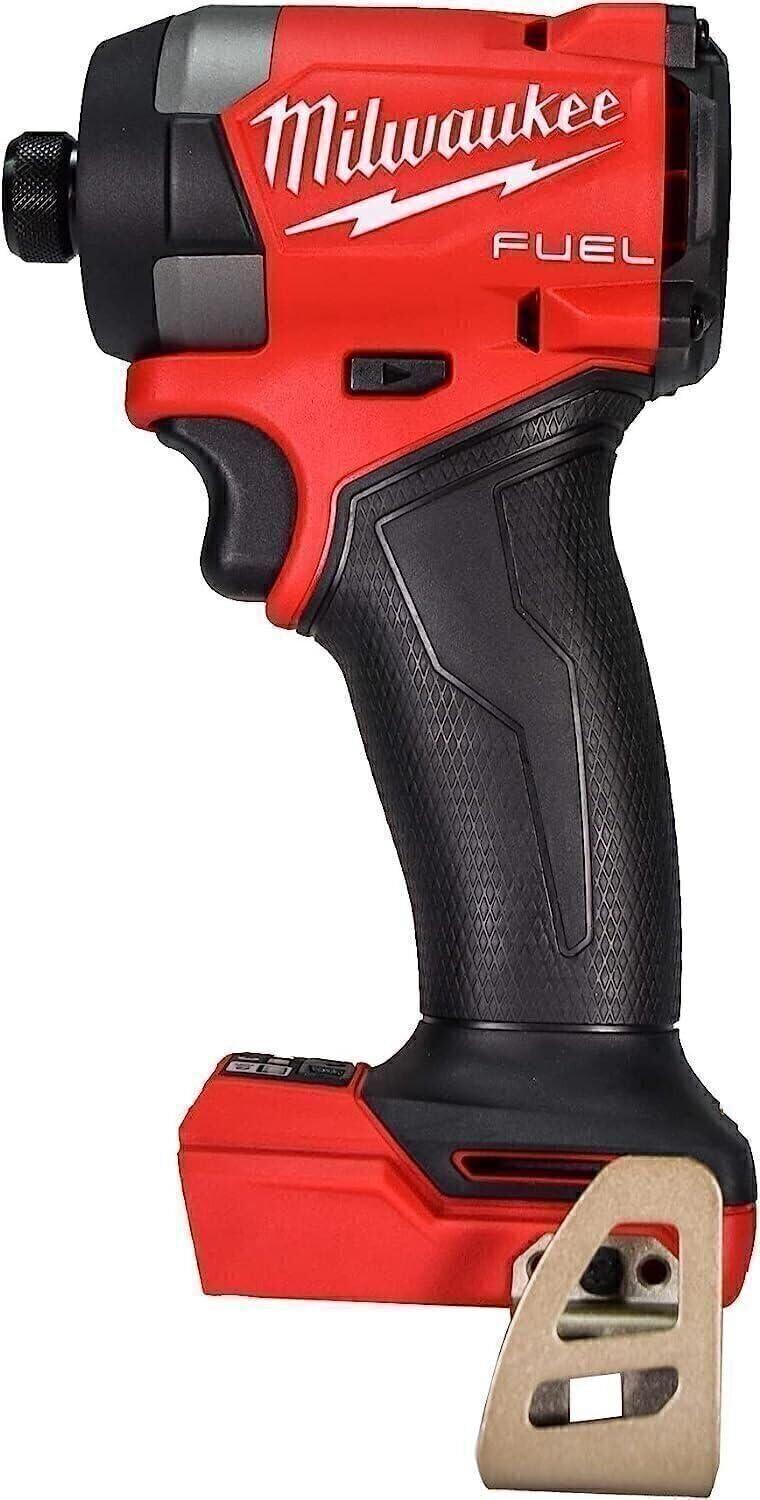
Milwaukee 2953-20 18V Cordless 1/4-Inch Hex Impact Driver (Tool Only)
The most raw torque per dollar in this lineup -- 2,000 in-lbs is enough to sink 3-inch structural screws without hunting for a pilot hole, and it's a bare tool if you're already on M18.
$122.99
View on AmazonWhat's genuinely good: 2,000 in-lbs of torque and 3,900 RPM is more than most trim or framing work actually calls for, which means it just plows through 3-inch and 4-inch lags without bogging down or stalling out mid-drive. The single-handed bit insertion is a small thing that matters a lot when you're sixteen feet up and don't want to use your off hand to hold the sleeve. Four drive-control modes keep it from cam-out on smaller fasteners once you dial it back.
Durability: The metal belt clip is a real upgrade over the plastic clips on cheaper tools, which are a common failure point after ladder drops onto concrete. The tri-LED ring lighting actually eliminates shadow instead of just adding a single dim beam off to one side.
Main drawback: This is a bare tool -- no battery, no charger, nothing. If you're not already on the M18 platform, the "budget" price tag disappears fast once you price out batteries. It's also genuinely loud and aggressive at full power; on trim or finish work where you're driving into hardwood or near drywall, that torque works against you unless you're disciplined about backing off the speed setting.
Who it's for: Framers, deck builders, and anyone already carrying M18 batteries who wants the highest torque-to-dollar ratio in the lineup.
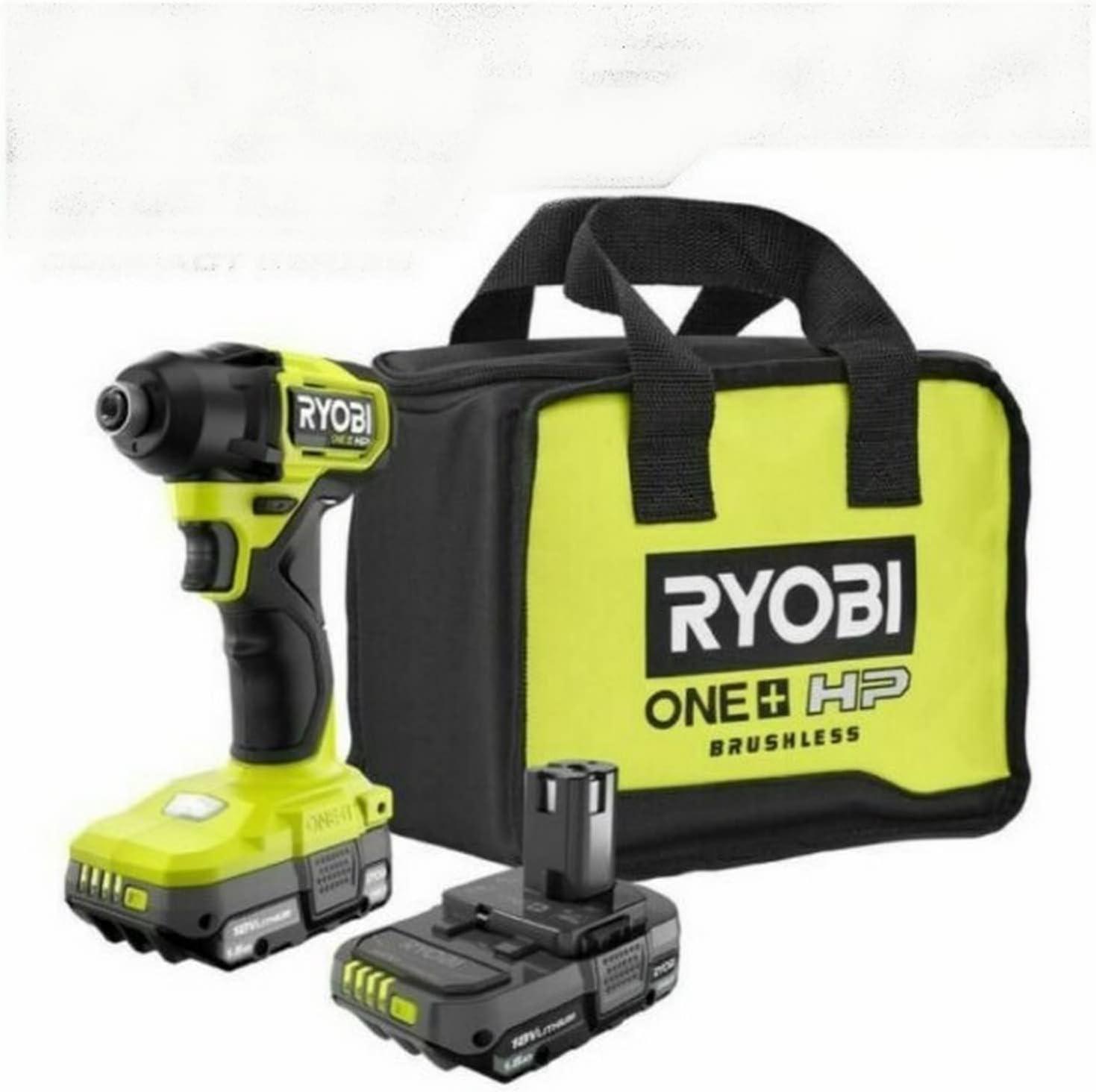
RYOBI ONE+ HP 18V Brushless Cordless Compact 1/4 in. Impact Driver Kit with (2) 1.5 Ah Batteries, Charger and Bag (PSBID01K)
A full kit -- two batteries, charger, bag -- for less than most competitors charge for a bare tool, and the brushless motor genuinely keeps up with 1,700 in-lbs of torque.
$127.55
View on AmazonWhat's genuinely good: You get a complete, ready-to-work kit -- two 1.5Ah batteries, a charger, and a bag -- for close to what Milwaukee charges for a bare tool. 1,700 in-lbs and 3,800 IPM is real numbers, not marketing fluff, and it's noticeably lighter and more compact than the previous-generation Ryobi driver.
Durability: It has plenty of torque for deck screws and lag bolts on weekend-scale projects. The compact head length gets into stud bays and behind cabinets almost as well as the Bosch below.
Main drawback: Ryobi's ONE+ platform isn't built to the same duty-cycle standard as the pro brands -- the battery contacts and trigger switch show wear faster under daily, all-day commercial use, and Ryobi doesn't carry the same reputation for warranty support on job sites. This is a tool that will absolutely hold up for a solo contractor or a side-business tradesperson, but it's not the pick for a four-man crew running it eight hours a day, five days a week.
Who it's for: Solo contractors, handymen, and anyone starting a tool collection from scratch who needs batteries and a charger included without paying pro-brand prices for them.
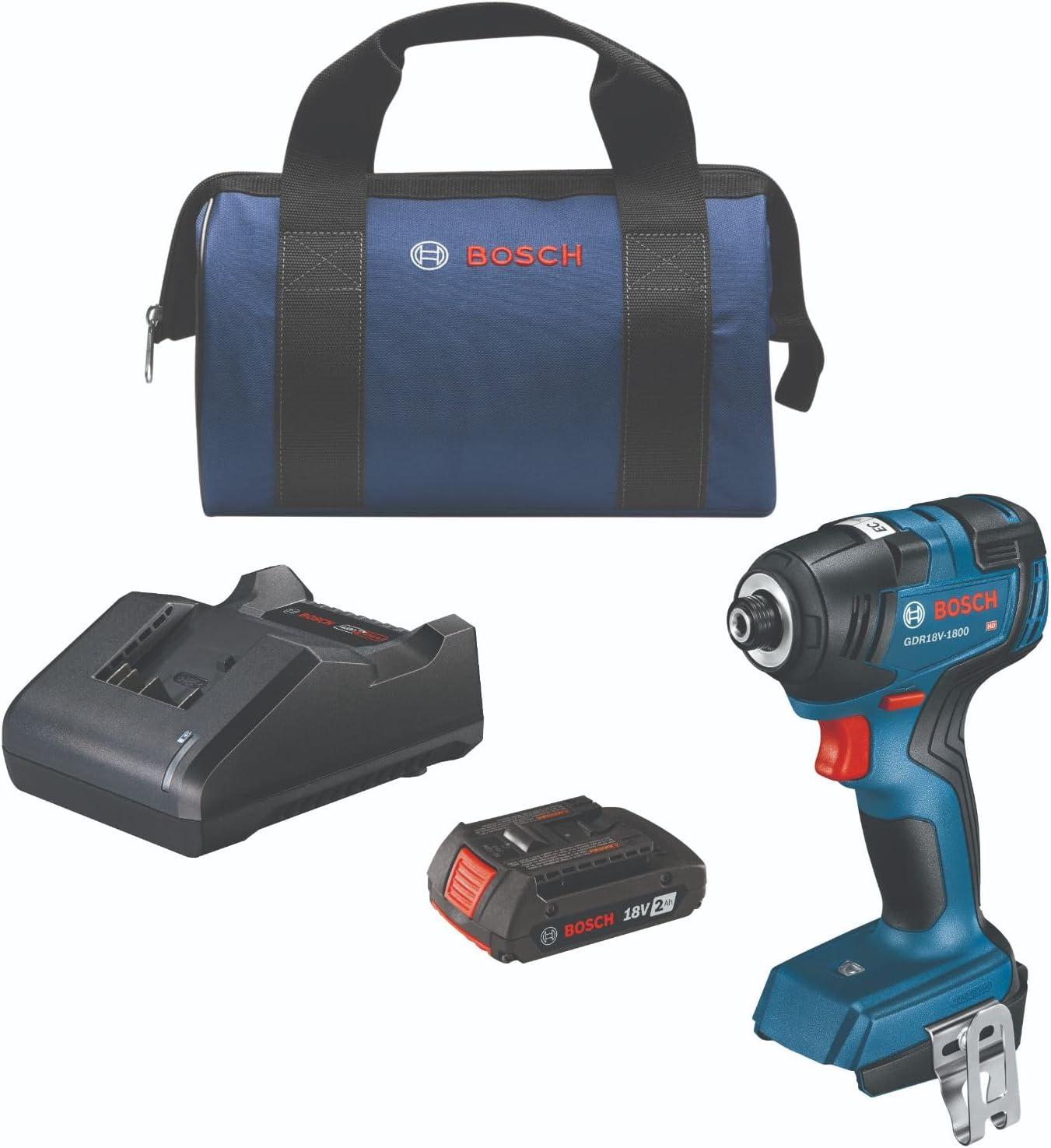
BOSCH GDR18V-1800B12 18V Cordless Brushless 1/4 In. Hex Impact Driver Kit with (1) 2 Ah Standard Power Battery, 18V Charger, and Storage Bag
A 4.9-inch head length and 2.3-lb tool weight make this the easiest driver here to run one-handed overhead or wedged into a stud bay.
$135.00
View on AmazonWhat's genuinely good: The compact impactor design is the real story here -- a 4.9-inch head length and 2.3 lbs (tool only) means it fits into joist bays, behind studs, and up against cabinet returns where the bigger Milwaukee and DeWalt units just won't clear. The auto bolt-release feature that stops rotation once the fastener is free is a nice touch that keeps bolts from launching off into the dirt during removal work.
Durability: For cabinet installs where half the screws go in at awkward angles overhead, the lighter weight is a real advantage for wrist fatigue compared to the bigger Milwaukee. The single-focused LED light is well-placed and doesn't wash out or throw a shadow from the chuck.
Main drawback: At 1,800 in-lbs it's not the strongest driver in this group, and the 2Ah battery included in the kit is on the small side -- expect to be back at the charger by early afternoon on a full day of driving screws. Bosch's dealer network and parts availability also isn't as deep as Milwaukee's or DeWalt's if something needs warranty service.
Who it's for: Cabinet installers, finish carpenters, and anyone doing a lot of overhead or awkward-angle fastening where a smaller, lighter tool actually speeds up the work.
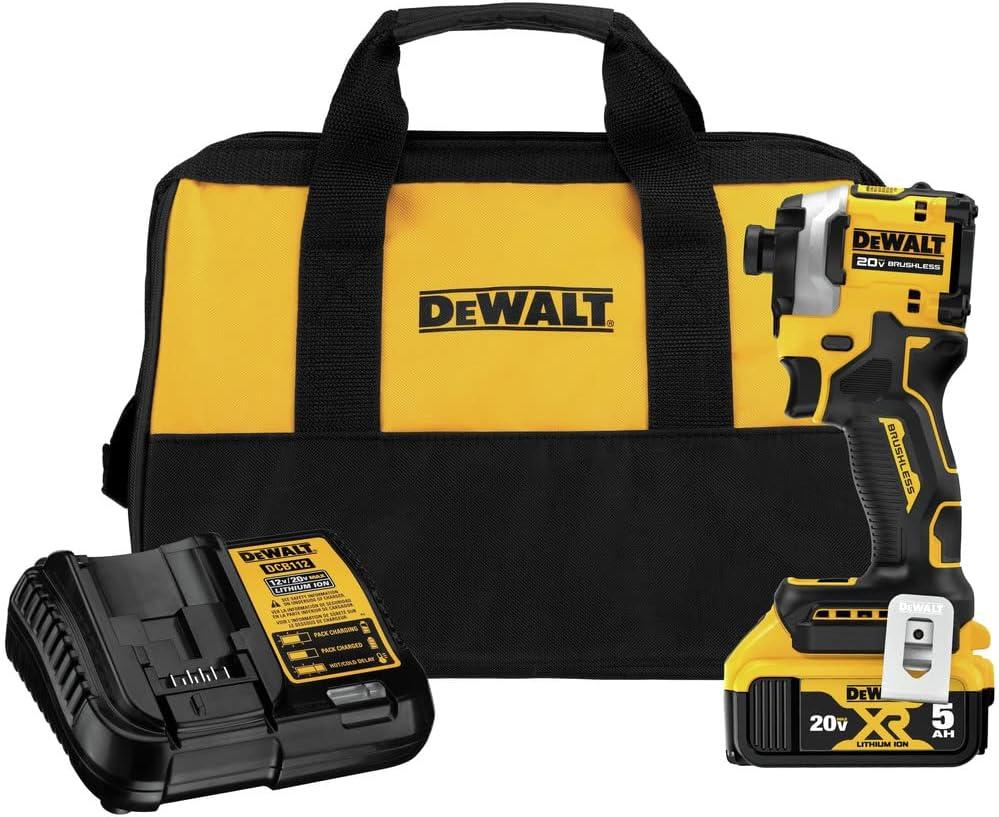
DEWALT ATOMIC 20V MAX 1/4 in. Brushless Cordless Impact Driver Kit with Battery and Charger Included (DCF850P1)
1,825 in-lbs of torque plus a battery and charger for under $150 -- the most complete, ready-to-work package per dollar in this roundup.
$149.00
View on AmazonWhat's genuinely good: This is the kit to recommend to a new contractor without much hesitation -- 1,825 in-lbs of torque, a 3-speed variable trigger, and a battery plus charger all included for under $150. The ATOMIC compact series is genuinely shorter front-to-back than DeWalt's older DCF887, which matters more than people expect once you're working inside cabinets or tight mechanical closets.
Durability: DeWalt's ATOMIC line has a solid reputation on punch-list and remodel crews for surviving drops and drywall dust while holding torque consistently. The 3-LED work light ring is bright enough to actually matter in a dark crawlspace, not just a token feature.
Main drawback: 3,250 RPM is on the slower side compared to the Milwaukee and Makita here, so on high-volume screw-gun-style work -- subfloor, sheathing -- you'll feel the difference in cycle time by the end of a long day. The included battery is a standard 5Ah pack, not a compact one, so the balance is slightly nose-heavy compared to the Bosch.
Who it's for: General contractors and remodelers who want one complete, dependable kit that covers 90% of daily fastening without a big investment.
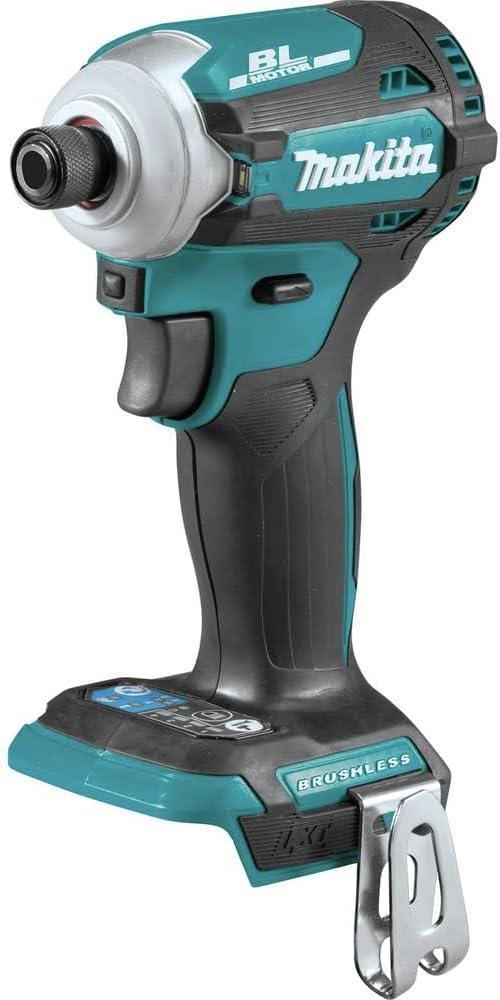
Makita XDT16Z 18V LXT Lithium-Ion Brushless Cordless Quick-Shift Mode 4-Speed Impact Driver, Tool Only
Quick-Shift mode and Assist mode genuinely prevent stripped screws and 'walked' fasteners in finish work -- the closest thing to precision control in a driver this powerful.
$259.00
View on AmazonWhat's genuinely good: Makita's Quick-Shift mode reads the resistance of each fastener and automatically balances speed against torque, which sounds like a gimmick until you've used it on trim work and realized it's catching cam-out before you feel it happening. Assist mode goes further -- it drives slow until the screw actually bites, which all but eliminates the "screw came out sideways" problem on angled toe-screws. 3,600 RPM and four selectable speed ranges give you more actual control than anything else in this lineup.
Durability: The electronic control features are aimed squarely at trim and door hanging, where they cut down on stripped screw heads and cross-threaded hinges. The extra one-touch speed selector button under the chuck is genuinely useful once you build the habit of reaching for it.
Main drawback: This is a bare tool at a price that would buy a complete kit from DeWalt or Bosch, so you're paying purely for the Makita platform and the electronic control features -- if you're not already invested in LXT batteries, this is an expensive way to get in. It's also the priciest tool-only option here by a wide margin, and the electronics-heavy design means there's more that can go wrong down the line compared to the simpler mechanical drivers.
Who it's for: Finish carpenters, cabinet installers, and door hangers already on the Makita LXT platform who need precision control more than brute torque.
Recommendations by use case
- Framing and deck work (raw torque matters most): Milwaukee 2953-20 -- if you're already on M18, nothing here drives lags faster.
- Starting from zero, need everything included: RYOBI PSBID01K -- two batteries, a charger, and a bag for less than most bare tools cost.
- Cabinet install and overhead work: Bosch GDR18V-1800B12 -- the lightest, most compact option here for awkward angles.
- One do-it-all kit for a general contractor: DEWALT DCF850P1 -- the best balance of price, torque, and a complete kit.
- Trim, doors, and finish carpentry where stripped screws cost you time: Makita XDT16Z -- Quick-Shift and Assist mode are worth the premium if precision is the job.
Bottom Line
There's no single "best" impact driver here, and honestly, anyone who tells you otherwise is trying to sell you something you don't need. If you're framing or hanging deck boards all day, the Milwaukee's torque numbers translate directly into fewer stalled drives and less time backing out cross-threaded screws. If you're doing finish work where a stripped screw head means redoing a piece of trim, the Makita's electronic control is worth the extra hundred bucks. And if you're just getting your tool bag together, the Ryobi kit or the DeWalt kit both get you working immediately without the bare-tool tax the pro brands charge.
Our honest take: the DeWalt DCF850P1 is the one to buy if you can only own one. It's not the strongest, not the lightest, and not the smartest -- but it's the most complete answer for the widest range of jobs, and it has one of the strongest durability track records on working crews.
Prices current as of late August 2026. Check the Amazon listing for current pricing before you buy -- tool pricing moves fast, especially around kit bundles.